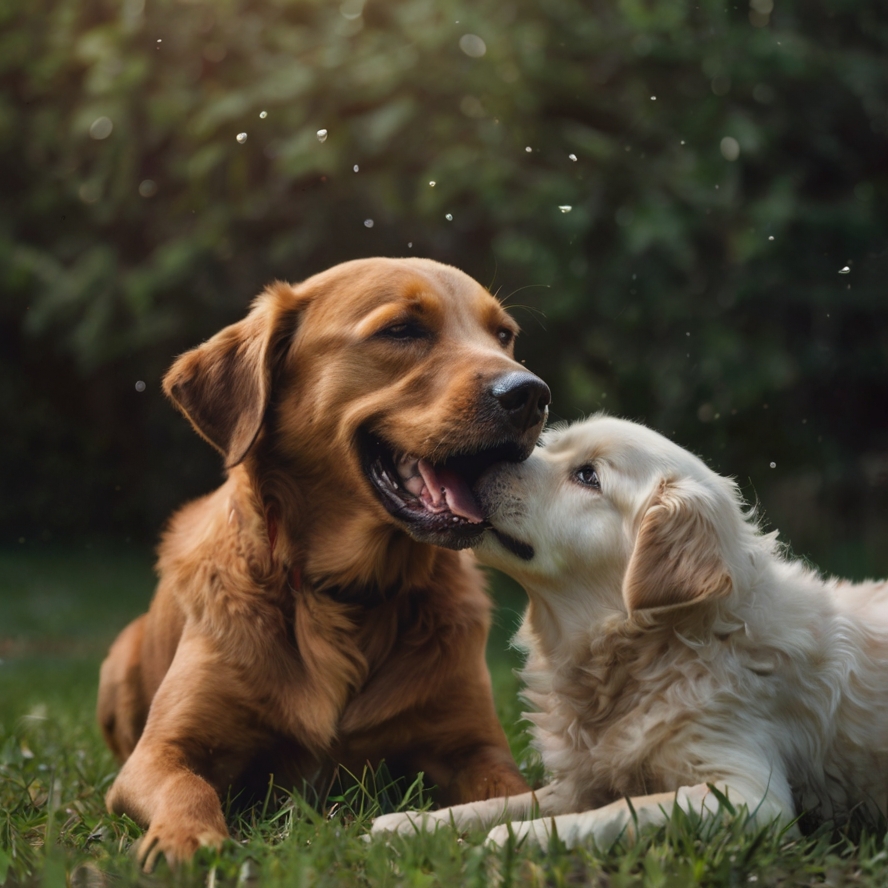
Dogs lick because of deep roots in their developmental history. Wild canids—wolves, coyotes, and other wild dogs—have puppies that lick their mother’s face and muzzle after she returns from hunting. This behavior makes the mother regurgitate food. Modern dogs inherited this trait from their direct ancestors, the wolves.
A dog’s brain releases endorphins during licking, which creates a sense of calm and relaxation. Your dog’s licking could be a sign of affection, since many dogs use this as their way to say hello. On top of that, it comes naturally to mother dogs who lick their puppies to clean and comfort them. The puppies learn this behavior as their way to greet others and form bonds.
Your dog might lick you for many different reasons beyond showing love. Dogs have specific motivations at the time they lick your face, hands, feet, or ears. Learning about why your dog licks so much helps you understand your pet’s way of communicating, their health, and how they feel.

The Evolutionary Roots of Dog Licking
The story of how dogs lick humans today gives us fascinating insights into their behavior. This common trait has roots that go way beyond simple affection.
Licking in wild canines and wolves
Wolf packs show complex social structures where licking is a vital part of their communication system. Scientists who study wild canids—wolves, coyotes, foxes, and other wild dogs—see a clear pattern: younger pack members swarm around adult wolves returning from hunting and lick their faces and muzzles. This behavior helps them survive—it makes the returning hunters regurgitate partially digested food to feed those who stayed behind.
Licking also acts as a form of “active submission” in wolf society. Younger pack members excitedly nip at, lick, and smell the mouth of older individuals, usually parents or older siblings during greeting ceremonies. This submissive display has:
- Low tail wagging
- Lowered body posture
- Ears held close to the head
- Face-oriented licking
These behaviors help establish and maintain the pack’s social hierarchy. Wolves can live together peacefully despite their predatory nature.
Mother-puppy licking behavior
Mother wolves and dogs use licking to do more than show affection. A mother dog licks her newborns right after birth to clean them and stimulate their breathing. This behavior can mean life or death for vulnerable puppies.
A mother’s licking continues to play key roles in puppy development. Newborn puppies can’t eliminate waste by themselves for several weeks after birth. The mother must lick their genital areas to trigger urination and defecation. While this might seem odd to us, it’s a key survival trait.
The mother usually eats whatever she cleans from the puppies. This recycling of birth matter and waste helps hide scents that might draw predators. The behavior keeps the nest clean and protects the helpless litter from disease during their early weeks.
How licking evolved into a greeting ritual
This basic food-seeking behavior changed into something more complex over generations of domestication. Dr. Alexandra Horowitz, head of the Horowitz Dog Cognition Lab at Columbia University, explains that licking started as a way to get food but now serves as a ritualized greeting for many dogs.
The process of domestication seems to have extended certain puppy behaviors into adulthood—scientists call this “neoteny”. Dogs living with humans keep their puppy-like traits throughout life, including face-licking that wild canids typically outgrow. Adult dogs rarely lick other adult dogs’ faces—they save this behavior mostly for humans.
Dogs have adapted this instinct through centuries of living with humans as their main caregivers. Your dog’s excited licks when you come home show both a genuine hello and maybe a leftover urge to ask for whatever you ate while away.
Why Dogs Lick Humans
Dogs use licking as a powerful way to communicate. Your furry friend expresses emotions and needs through this simple act. Understanding why dogs lick humans helps us learn about their psychology and social behavior. The explanation goes far beyond just “doggy kisses.”
Affection and bonding signals
Dogs lick to show their attachment to you. Their brains release endorphins during this behavior, which makes them feel happy and relaxed. The act also triggers dopamine – a brain chemical linked to pleasure and motivation.
Physical contact through licking creates a stronger bond between you and your pet. The interaction boosts oxytocin levels—known as the “love hormone”—in both you and your dog. This chemical response builds trust and emotional connection. Your dog finds the whole experience rewarding, which makes them want to do it more.
Communication and appeasement
Your dog’s licks are a sophisticated form of non-verbal communication. They use licks to say “I come in peace” or “You’re the boss”. This behavior stems from their need to maintain social order, especially in tense moments.
Research shows two main types of appeasement licking:
- Greeting licks: Quick, energetic licks with wiggling and excitement
- “Please stop” licks: Slow, careful licks that show discomfort
You need to know the difference between these types. A “please stop” lick might look like affection, but ignoring this warning sign could lead to other behaviors. Most licks aimed at humans are friendly, but you should always pay attention to your dog’s body language for clues about their meaning.

Learning about human scent and taste
Dogs find humans fascinating subjects to explore with their senses. They might have fewer taste buds than us, but they make up for it with an amazing sense of smell that drives their licking behavior.
Our skin has a salty taste, which becomes stronger after we sweat. The palms of our hands have eccrine glands that create a salty residue dogs love. Our faces also interest them because of the different scents and tastes, particularly after we eat.
Why do dogs lick your face, hands, and feet?
Different body parts attract dogs for unique reasons. Your face is like a sensory feast—eccrine glands on your cheeks and forehead create salt, while your eyelids and nostrils have apocrine glands with distinct smells dogs can detect. Wild canids lick pack members’ muzzles as a greeting, and your dog follows this instinct.
Your hands tell a story about your day through smells and flavors. They pick up scents from everything you touch. Dogs are happy to break down these scents from other people, animals, and foods you’ve encountered.
Your feet have lots of eccrine glands that produce sweat, creating a salty taste dogs enjoy. The unique smell of feet gives them extra information about where you’ve been and what you’ve done.
The Science Behind Dog Licking Behavior
Your dog’s slobbery kiss has more science behind it than you might think. The science of dog licking behavior shows us how our four-legged friends see and connect with their world.
Endorphin and dopamine release
Something amazing happens in your dog’s brain when they lick. Research shows the simple act releases endorphins that make them feel calm and relaxed. Their brain then produces dopamine, which makes them want to keep doing it.
This natural reward system explains why dogs can’t seem to stop licking – they get a natural high from it. Research has found something really interesting: a dog’s brain releases dopamine when they look at their human, just like our brains do when we look at our kids. This two-way chemical connection helps create that special bond between humans and their dogs.
Sensory exploration and taste
Dogs use licking as a vital way to learn about their environment. We humans rely mostly on what we see, but dogs understand their world through smell and taste. Licking helps them connect these senses.
Dogs have about 1,700 taste buds while humans have 9,000. They make up for this with a nose that’s 40 times better than ours. So when your dog licks your skin, they get way more than just a salty taste – they learn about what you’ve done, how you feel, and even if you’re healthy.
Their tongue works like a sophisticated sensor that teams up with their amazing sense of smell. This adds touch and taste data to build a complete picture. That’s why dogs lick new things – they’re trying to understand them better through taste.
Why puppies lick hands and faces
Baby puppies need their mother’s licking to survive. Right after birth, this licking helps them breathe and gets their blood moving. As they grow, mothers keep licking to help with bathroom habits and cleanliness.
Growing puppies add licking to their social skills. They start by licking their mother’s mouth to get her to share food – just like their wolf ancestors did. This behavior becomes the foundation of how they interact with others.
Puppies naturally start using this behavior with humans too. A puppy’s enthusiastic face-licking comes from deep-rooted instincts. They’re looking for both information and connection.
Dog licking as a calming signal
The way dogs use licking to handle stress is fascinating. Scientists have found that mouth-licking works as a “calming signal” – dogs do this when they feel scared or nervous. These quick lip licks differ from regular licking and often happen when dogs feel threatened.
Studies show dogs lick their lips more when unpleasant things happen, like loud noises or rough handling. This helps them feel better through endorphins and shows submission to avoid conflicts.
Dog expert Turid Rugaas discovered that lip licking often comes before other calming behaviors. To name just one example, dogs might lick their lips before giving up on a tough training exercise – a subtle hint that they’re getting too stressed to learn well.
When Licking Becomes a Problem
Dogs lick – that’s natural. But some licking patterns can be warning signs of problems that need attention. Your dog’s natural licking behavior can sometimes become problematic and suggest distress or illness.
Excessive licking and anxiety
Dogs often demonstrate anxiety through non-stop licking. The act releases endorphins that help them feel calm temporarily. This makes licking a natural self-soothing behavior during stressful times. Dogs with separation anxiety tend to lick their paws when their owners leave them alone.
This nervous habit can become a tough pattern to break without help. Common triggers that make dogs lick anxiously include:
- Loud noises or thunderstorms
- Unfamiliar environments
- Changes in household routines
- Separation from family members
Medical causes: allergies, pain, or GI issues
Physical discomfort can cause excessive licking beyond psychological reasons. Dogs with allergies tend to lick their paws repeatedly. This creates a cycle of irritation and inflammation. Research published in the Journal of Veterinary Behavior shows this is a big deal as it means that 60% of dogs who lick excessively have gastrointestinal problems.
Pain makes dogs lick specific areas too. They do this instinctively – similar to humans rubbing sore muscles – because it releases natural painkillers. Vets notice that dogs who groom their joints extensively might have arthritis, soft tissue injury, or even fractures.
Obsessive licking and compulsive disorders
Normal licking sometimes turns into a compulsive disorder. Large breeds like Doberman pinschers, Great Danes, German shepherds, and retrievers seem more likely to develop acral lick dermatitis. This obsessive licking creates inflamed skin lesions that can affect the bone underneath.
Physical irritation often starts these compulsive behaviors that later become psychological patterns. These 5-year old habits become extremely hard to stop without professional help.
Why does my dog lick me so much?
Your dog’s occasional enthusiastic licking usually shows normal affection rather than a problem. Behavioral expert Mary Burch explains, “Most licking is harmless, even welcome as a form of self-expression on the dog’s part”.
But relentless licking driven by anxiety rather than affection needs attention. Watch for these warning signs:
- Licking that disrupts normal activities
- Signs of distress when stopped from licking
- Raw, irritated areas developing
- Constant licking of one body part
The key lies in spotting the difference between your dog’s loving communication and problematic behavior to know when you need help.
How to Manage and Redirect Licking
Managing excessive dog licking needs positive reinforcement techniques to intervene effectively. A vet should rule out medical issues before behavioral solutions can help fix this common canine habit.
Behavioral redirection techniques
Redirecting unwanted licking behavior works better than punishment. Your dog needs an alternative activity right away when inappropriate licking starts. Interactive games, physical exercise, or engaging play sessions channel your dog’s energy in better ways. The key to success lies in interrupting the behavior every time it happens.
Using lick mats and puzzle toys
Lick mats—textured silicone surfaces designed to spread soft foods—give dogs an appropriate outlet for their natural licking tendencies. These clever tools help dogs eat slower while they mimic natural foraging behaviors. Dogs find the repetitive licking action calming, which makes these mats useful especially when you have stressful situations.
Puzzle feeders are a great way to get results by:
- Providing mental stimulation
- Slowing down eating
- Addressing boredom-related licking
- Redirecting oral fixation
Training alternatives to licking
Dogs can learn acceptable greeting behaviors like “sit” or “shake” instead of licking. Regular practice of these commands deserves treats and attention as rewards. The “leave it” command followed by immediate rewards helps stop excessive self-licking.
When to consult a vet or behaviorist
Professional guidance becomes necessary if licking causes physical damage, disrupts daily activities, or continues despite your attempts to redirect. Your veterinarian should be the first person to check for medical causes like allergies, pain, or gastrointestinal issues. A positive reinforcement trainer can develop personalized solutions for stubborn problems after medical clearance.
A dog’s licking behavior shows a remarkable blend of evolutionary history, biology, and communication. This piece explores how this simple action carries deep meaning that stems from wild canine behaviors. What started as a way for wolf pups to get food has grown into a complex social gesture that dogs use to show affection, set hierarchies, and learn about their surroundings.
Dogs lick because this behavior sets off powerful brain chemicals. Each lick releases endorphins and dopamine that create feelings of pleasure and strengthen the bond between dogs and their human companions. Their licking also works as a sophisticated sensory tool that lets them explore their world through taste and smell in ways we can’t fully understand.
Knowing why your dog licks you or themselves helps you spot the difference between normal behavior and possible problems. A few affectionate licks usually mean healthy social bonding. Excessive or obsessive licking might point to anxiety, allergies, pain, or other medical issues that need attention. Changes in your dog’s licking patterns can tell you a lot about their physical and emotional health.
Dog owners who struggle with problem licking have several good options. They can try behavior redirection, special lick mats, puzzle toys, and steady training to guide this natural behavior properly. While licking will always be part of a dog’s nature, these methods let dogs follow their instincts without forming bad habits.
The next time your furry friend greets you with eager licks, remember that this behavior links them to their wild ancestors while showing how they’ve adapted to life with humans. A doggy kiss is nowhere near simple – it’s a sophisticated way to communicate that runs deep in canine biology and social structure. When you respect and manage this natural behavior well, you can build a stronger bond with your four-legged friend and keep them physically and emotionally healthy.
Here are some FAQs about why do dogs lick:
What does it mean when a dog licks you?
When a dog licks you, it can be a sign of affection, submission, or a way to explore their environment. This behavior is often linked to puppy affection signs and dog licking behavior that carry over from their early interactions with their mother. Many dogs also lick as part of puppy sensory habits, using taste and touch to gather information about their surroundings.
What does it mean if your dog is constantly licking?
Constant licking can indicate strong attachment or stress, depending on the context. Dogs may exhibit this behavior due to puppy affection signs, boredom, or even anxiety, and it’s part of normal dog exploration behavior. Observing when and where your dog licks can help you understand why dogs lick and what they’re trying to communicate.
Do dog licks count as kisses?
Yes, many people interpret dog licks as kisses because they are often used to show affection and bond with humans. Licking is a natural part of dog licking behavior and puppy affection signs, expressing love and familiarity. While it’s different from human kisses, it is a genuine expression of connection.
What breed of dog licks the most?
Breeds like Labradors, Golden Retrievers, and Beagles are often noted for licking frequently. This tendency is linked to their friendly temperament and heightened puppy affection signs. Regardless of breed, dog licking behavior and puppy sensory habits contribute to how often a dog will lick its owner.
Should you let a dog lick you?
Letting a dog lick you is generally safe if the dog is healthy and vaccinated. Licking is a natural part of dog exploration behavior and can be a way for the dog to show puppy affection signs. However, you should be cautious with face or open wound contact, even though why puppies lick hands and other surfaces is a normal sensory habit.
What does it mean when a dog puts his paw on you?
When a dog places a paw on you, it is often seeking attention or showing affection. This behavior is part of puppy sensory habits and dog exploration behavior, similar to licking. Combined with licking, it can reinforce puppy affection signs and strengthen the bond between dog and owner.
Do dogs lick human private areas?
Yes, some dogs may lick human private areas, often due to curiosity or dog exploration behavior. While this can be related to puppy sensory habits, it is not necessarily a sign of affection and should be discouraged. Understanding why dogs lick helps differentiate between normal dog licking behavior and inappropriate behavior.
Do dogs lick to show love?
Dogs often lick to show love, comfort, or attachment, which is one of the most common puppy affection signs. This behavior is part of dog licking behavior and puppy sensory habits that start in early life. Licking your hands or face is a way for dogs to express bonding and social connection.
Why do dogs lick your feet?
Dogs lick your feet as part of dog exploration behavior and to gather sensory information, which relates to puppy sensory habits. It can also be a sign of affection, similar to puppy affection signs, or a way to show submission. Understanding why puppies lick hands and feet can help you interpret their behavior and respond appropriately.
Leave a Reply