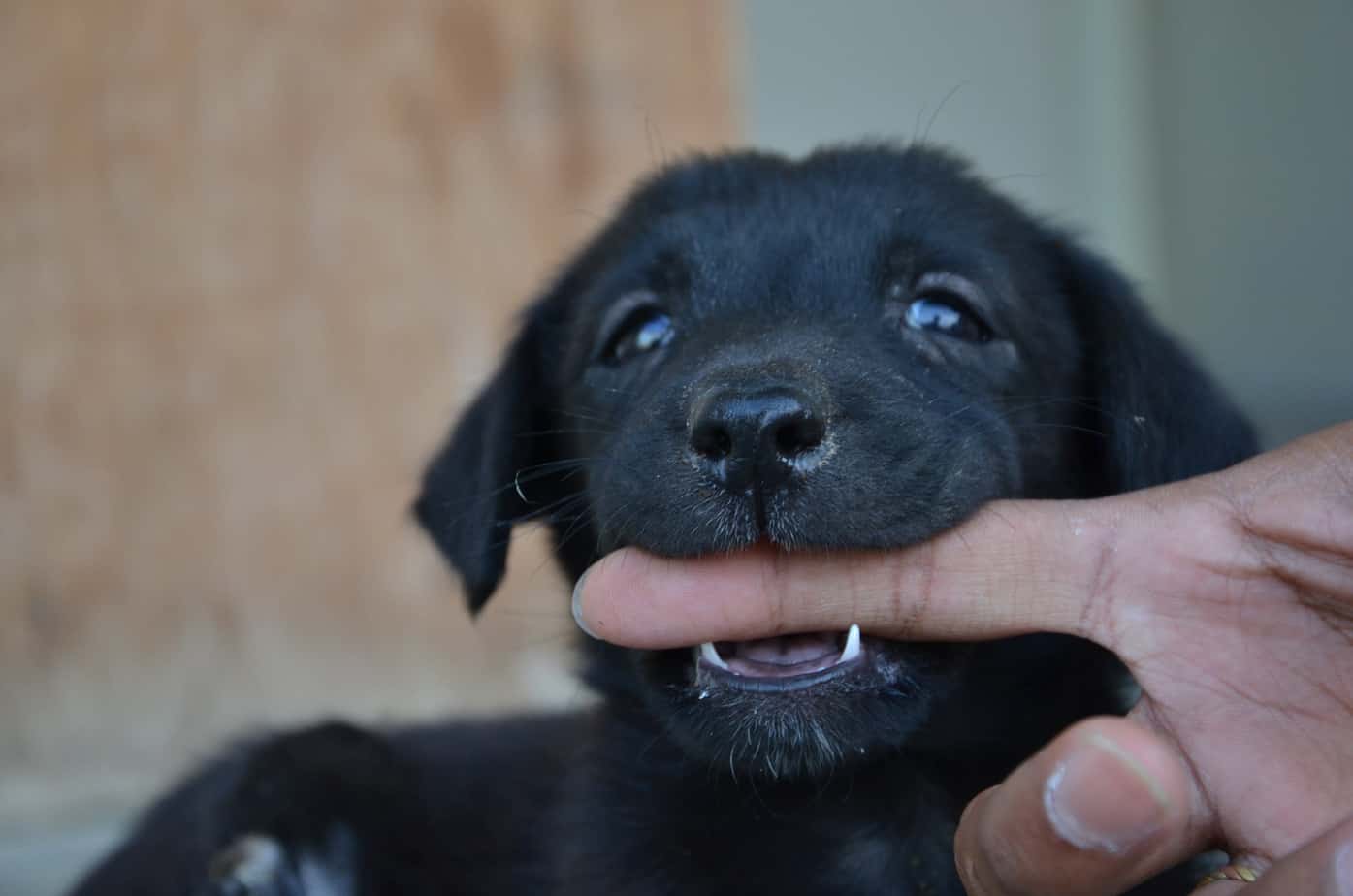
Puppies bite most at the time they switch from baby teeth to adult teeth. This usually happens around 12-13 weeks of age. Pet owners often ask about their puppy’s biting habits and wonder if their little friend’s chomping behavior needs attention.
The biting and mouthing phase takes three to six months. Puppies bite because they’re curious and need to soothe their sore gums while teething. This natural behavior needs early attention, or it might lead to most important problems as your puppy gets bigger. Your puppy’s bite inhibition training and understanding of their biting stages are vital steps toward raising a well-mannered adult dog.
This detailed piece covers what you can expect from normal puppy teething behavior. You’ll learn when the biting should improve, training methods that work to discourage biting, and signs that tell you it’s time to ask a professional for help.

Why Do Puppies Bite?
Young dogs need some mouthing – it’s completely normal behavior. Puppies naturally use their mouths to find their surroundings and communicate with humans and other animals.
Learning about the world through their mouths
Puppies don’t have hands to get into objects, so they depend on their mouths as their main tool to explore their environment. A puppy’s sense of taste and touch in and around the mouth develops first, making this their natural way to learn about their world. These little ones gather vital information about taste, texture, and consistency when they bite and mouth objects.
Puppies can use their mouths to explore until they reach about 4 months old. In spite of that, owners often find this natural behavior frustrating, especially since those needle-sharp puppy teeth can make even playful nips hurt. A puppy shows amazing precision with their mouth and teeth – just like humans do with hands and fingers. They can make gentle contact or deliver painful bites.
Teething discomfort and relief
Teething is one of the most important reasons why puppies bite. Human babies don’t get teeth until they’re several months old, but puppies develop their baby teeth as early as 2-3 weeks. All but one of these 28 baby teeth (also called “milk teeth”) should appear by 5-8 weeks.
These puppy teeth start falling out at 3-4 months as 42 adult teeth push through. This process hurts, and puppies try to feel better through chewing. You’ll notice these signs of teething discomfort:
- Excessive drooling
- Small blood spots on toys
- Red or swollen gums
- Slower eating due to sore mouths
Puppy biting peaks around 13 weeks when teething hits hardest. So, giving them the right chew toys becomes vital during this time. Cold or frozen toys work great because they help soothe those swollen gums.
Play behavior and social learning
Puppies bite as a key part of their social development, beyond just exploration and teething. They learn a vital skill called “bite inhibition” – knowing how to control their bite force through play with littermates.
The learning follows a simple pattern: a puppy bites too hard during play, and the bitten puppy yelps and stops playing. The biter learns that rough bites end playtime – nature’s way of teaching them to soften their bite.
Mother dogs play a vital role in teaching bite control. They show their puppies what’s “too hard” or “too much” biting in natural settings. Most puppies leave their mothers before finishing this training, so owners must step in to continue these lessons.
Puppies need to stay with their litters for at least 7-8 weeks to practice these social skills with other dogs. Regular play sessions with other puppies after adoption helps reinforce these bite control lessons for the best development.

Understanding Puppy Biting Stages
Puppies develop predictable biting and mouthing behaviors as they grow. Pet parents can set realistic expectations and train their puppies better by understanding these natural stages.
2–4 weeks: Early mouthing with littermates
Puppies are born without teeth, but their deciduous (baby) teeth emerge around three weeks. They start to explore their surroundings by mouthing objects and littermates during this time. Their eyes have just opened and they still nurse from their mother. This early play with siblings builds the foundation for future bite control.
5–8 weeks: Learning bite inhibition
A puppy’s baby teeth – usually 28 in total – should all emerge by 5-6 weeks. Puppies learn crucial lessons about appropriate mouth pressure during this key socialization period. The natural feedback loop happens when a puppy bites too hard – the bitten puppy yelps and stops playing. This teaches the biter that rough bites end playtime, helping them learn to control their bite strength.
8–12 weeks: Teething begins
Puppies usually move to their new homes around 8 weeks, just as their permanent teeth start pushing out the baby teeth. This process causes discomfort and makes puppies chew on anything they can find. Their mouth has about 28 baby teeth at this stage. Human handlers should start formal bite inhibition training during this crucial period.
12–16 weeks: Peak biting phase
Puppy biting becomes most challenging between 12-16 weeks due to:
- High energy levels with limited impulse control
- Maximum teething discomfort as major molars emerge
- Sharp increase in biting behavior
Puppies actively explore their world through mouthing during this peak biting period. Adult teeth pushing through inflamed gums cause discomfort, making puppies especially mouthy. Owners often find their puppies chewing more on furniture, hands, and clothing.
4–6 months: Adult teeth emerge
Puppies develop their full set of 42 adult teeth between 4-6 months. This expanded set replaces their 28 baby teeth and includes stronger molars. Many puppies still mouth objects frequently despite their dental development. Chewing remains essential but becomes less intense as teething discomfort decreases.
6+ months: Biting should reduce
Your puppy should have all adult teeth by 6-7 months, completing the teething process. Most puppies naturally bite less often and more gently at this stage. The majority of puppies outgrow excessive mouthing between three and five months.
Most experts agree that persistent hard biting becomes inappropriate after 6 months. While playful mouthing might continue, especially in certain breeds, problematic biting at this age needs professional help. You should consult a certified professional if your puppy’s biting breaks skin or involves growling outside playtime after 5-6 months.
How to Stop Puppy Biting Effectively
Training a puppy to stop biting takes patience, consistency, and the right techniques. Learning why puppies bite helps you develop strategies that teach them appropriate behavior. These proven methods will help your puppy develop good habits that last a lifetime.
Redirect to toys or chews
Redirection stands out as one of the best ways to stop puppy biting. Keep appropriate chew toys within arm’s reach. Your puppy tries to bite your hands or clothing? Quickly give them a toy instead. This simple switch shows your puppy what they can chew on without stopping their natural behavior.
Teething puppies need special attention, especially when you have discomfort to deal with. Frozen Kong toys stuffed with peanut butter or yogurt work great. The cold feeling soothes their sore gums and teaches good chewing habits at the same time. Different toys serve unique purposes—tug toys work well to teach puppies how to play with you using their mouth the right way.
Use time-outs for hard bites
A brief time-out works well if redirection fails or the bites become too hard. Time-outs should last 30-60 seconds—no longer. The goal isn’t to punish but to briefly remove the fun and attention your puppy wants.
To make time-outs work:
- Use a clear verbal cue like “Too bad!” or “Time-out”
- Put your puppy in a designated spot (crate, behind a gate, or tethered to furniture) calmly
- Don’t respond to any sounds or protests during the time-out
- Let your puppy return and try again after 30-60 seconds of calm behavior
Time-outs must happen right after the biting and every single time. Your puppy learns that biting leads to losing what they want most—your attention and playtime.
Avoid rough play with hands
Rough hand play encourages the exact behavior you want to stop. Wrestling games and letting puppies grab clothes during play tells them human body parts make good toys.
Structured games that keep your puppy’s teeth away from your skin work better. Tug toys let you play energetically while teaching proper limits. A knotted dish towel can even make a great tug toy.
String-attached toys or throwing toys for retrieval help maintain distance between your hands and your puppy’s mouth during playtime. These games give puppies the interaction they need without promoting mouthing behaviors.
Reinforce calm behavior
Many people overlook a key part of bite training—rewarding calm behavior. Puppies can learn to be calm from an early age. Reward your puppy with treats, gentle praise, or petting at the time they’re quiet, relaxed, or sitting nicely.
Look for moments throughout the day when your puppy shows good behavior—they deserve recognition. Teaching other actions like “sit” gives your puppy positive choices instead of biting. Your puppy figures out that calm behavior brings attention while biting makes it stop.
Be consistent with all family members
Family consistency is a vital part of successful bite training. Everyone who spends time with your puppy needs to follow identical rules and responses to biting. Mixed messages confuse puppies and make training take longer.
Make clear house rules about puppy interactions and responses to biting. Everyone should know how to redirect and use time-outs properly. Kids need extra supervision and guidance to handle puppies correctly.
Note that teaching a puppy bite control usually needs hundreds of repetitions before lasting changes appear. Most puppies bite substantially less by 6 months old when teething ends—if everyone stays patient and follows the same training approach.
When Puppy Biting Becomes a Concern
Most puppies bite during development, but some patterns need immediate attention. Puppies should substantially reduce their biting behaviors by 6 months of age. Owners need to spot the difference between normal puppy play and concerning behavior to address potential problems early.
Growling or snapping outside of play
Puppies often vocalize during play, and not all growling means aggression. Play growls and warning growls have a clear difference. Relaxed body language usually accompanies play growls. Warning signs appear when growling comes with stiff body posture, direct eye contact, bared teeth, or happens near valued items. Experts call it a “temper tantrum” when a puppy shows stiff body language, intense growling, and unusually painful bites. Note that punishing growling can create a puppy who bites without warning.
Biting that breaks skin
We see serious concerns when biting consistently breaks skin or causes bleeding, especially after the teething phase. Puppies should develop enough bite control by 5 months to avoid causing injury during play. Professional help becomes necessary right away if bites come with holding pressure, body tension, deep growling, or head-shaking.
Stiff body language or prolonged staring
A puppy’s body language tells us everything about their emotional state. Watch for these warning signs:
- Stiffness or freezing during interactions
- Direct, fixed stares without blinking
- Furrowed brow with facial muscle tension
- Raised hackles along the spine
Normal puppy play looks very different, with loose, bouncy movements. Playful puppies show relaxed body language, keep their mouths open, and change positions often.
Guarding toys or food aggressively
Resource guarding needs proper management, even though it comes naturally to dogs. Dogs first show signs like stiffening over possessions, hard stares, or subtle lip curls. Your puppy might have developing resource guarding if they growl, snap, or lunge when you approach their food, toys, or resting areas. This behavior gets worse without help, moving from subtle warnings to more serious aggression. Resource guarding needs attention right away, especially in homes with children.
When to Seek Professional Help
You should think about getting expert help when your puppy’s biting goes beyond normal development patterns. The right timing for professional help can make a significant difference in shaping your puppy’s behavior.
Signs of fear or anxiety
Fear-based biting is different from play biting. Your puppy might show warning signs like licking lips, avoiding eye contact, tucking tail, trembling, and dilated pupils. These subtle body language cues often come before growling or biting. Puppies who bite from fear need special help, because punishment makes anxiety-based behaviors worse.
Persistent biting after 6 months
Most puppies reduce their biting by a lot once they reach six months. Your puppy needs professional help if they still bite hard enough to cause pain, broken skin, or bleeding after their adult teeth come in. Puppies won’t simply grow out of this persistent biting without help.
Breed-specific challenges
Some breeds bite more than others, especially herding dogs and terriers. These puppies need extra activities to channel their natural drive to chase, grab, and bite. Understanding what’s normal for your breed helps set realistic training goals.
Working with a certified trainer or behaviorist
The best qualified professionals include:
- Certified Applied Animal Behaviorists (CAAB)
- Veterinary Behaviorists (DACVB)
- Certified Dog Behavior Consultants (CDBC)
These specialists create custom plans using positive reinforcement techniques to help with ongoing biting problems.
Summing all up
Raising a well-behaved canine companion requires understanding your puppy’s biting behavior. Puppies naturally use their mouths to explore their environment, soothe teething discomfort, and interact during social play. The biting behavior follows a predictable timeline – it peaks around 12-16 weeks and gradually subsides by six months of age.
A puppy learns appropriate bite inhibition through patience, consistency, and proper training techniques. The most effective strategies focus on redirecting to appropriate toys and implementing brief time-outs for hard bites. Avoiding hand play and reinforcing calm behavior work better than punishing normal developmental mouthing.
Some warning signs need immediate attention. Your puppy’s growling with stiff body language, bites breaking skin, resource guarding, or persistent hard biting after six months require professional intervention. These behaviors rarely resolve without proper guidance and often worsen if mishandled.
Learning bite inhibition requires time and practice. Your puppy might need hundreds of repetitions to master mouth control. The training process becomes more effective when all family members follow consistent approaches. Proper guidance and training during these vital early months help develop a gentle adult dog who interacts appropriately with human hands. This investment pays off during the decade or more of companionship ahead.
Here are some FAQs about when should a puppy stop biting:
How do you discipline a puppy who is biting?
The best way to discipline a puppy who is biting is through positive reinforcement and redirection rather than punishment. During the puppy biting stages, you can offer chew toys to redirect their puppy teething behavior. Incorporating puppy bite inhibition training and puppy mouthing correction will help establish clear boundaries as part of their puppy behavior milestones.
Why is my 10 month old puppy still biting?
A 10-month-old puppy may still be biting due to delayed development in puppy bite inhibition training or because of unmet needs in exercise and stimulation. While the puppy biting stages usually taper off earlier, some dogs may show extended puppy teething behavior or test boundaries longer. Reinforcing puppy mouthing correction consistently can help guide them toward more acceptable behavior.
At what age do puppies stop biting so much?
Most puppies begin to outgrow excessive biting between 6 to 8 months as they move past the key puppy biting stages. By this time, puppy teething behavior decreases, and with proper puppy bite inhibition training, they learn to control the force of their mouth. Reaching puppy behavior milestones depends on consistency with puppy mouthing correction and guidance from their owners.
How long does it take a puppy to learn not to bite?
The timeline varies, but with consistent puppy bite inhibition training, many puppies learn basic bite control within a few weeks to months. The puppy teething behavior during early stages makes biting natural, but redirecting it with chew toys accelerates progress. Reinforcement of puppy mouthing correction at each puppy behavior milestone ensures steady improvement.
Is it okay to tap a puppy’s nose for biting?
It is not recommended to tap a puppy’s nose for biting, as this can create fear rather than effective puppy mouthing correction. Instead, focusing on structured puppy bite inhibition training during the puppy biting stages is far more effective. Addressing puppy teething behavior with safe chew alternatives helps the puppy progress toward healthy puppy behavior milestones.
Should I hold my puppies mouth shut when he bites?
Holding a puppy’s mouth shut is not a safe or effective form of discipline. During puppy biting stages, physical corrections can increase anxiety and worsen puppy teething behavior. Gentle puppy bite inhibition training and positive puppy mouthing correction are healthier ways to achieve long-term puppy behavior milestones.
Does ignoring biting behavior work?
Yes, ignoring biting behavior can work when combined with puppy bite inhibition training and redirection strategies. During the puppy biting stages, puppies often seek attention, so removing engagement teaches them boundaries. Pairing this with structured puppy mouthing correction supports progress toward important puppy behavior milestones.
How to assert dominance over a dog?
Rather than trying to assert dominance, focus on leadership through structure, consistency, and positive training. Using methods like puppy bite inhibition training and controlled routines during the puppy biting stages fosters respect and trust. This approach, combined with proper puppy mouthing correction, builds strong guidance toward puppy behavior milestones.
Why is my puppy biting me aggressively?
Aggressive biting may be linked to overstimulation, lack of puppy bite inhibition training, or unmet physical and mental needs. While normal puppy teething behavior explains some mouthing, true aggression requires addressing root causes early. With consistent puppy mouthing correction and attention to puppy behavior milestones, most puppies learn to redirect their energy into healthier habits.
Leave a Reply